
Menu
- About Us
- Meet Our Doctors
- Services
- Supplements
- Testimonials
- Blog
- Contact Us
close
Call for Same-Day Appointments
(661) 288-0022- About Us
- Meet Our Doctors
- Services
- Supplements
- Testimonials
- Blog
- Contact Us
Got a craving for satisfying cracks and adjustments? You’re not alone! Watch real clients experience pain relief on our TikTok with over 50 clips and 7M+ views.
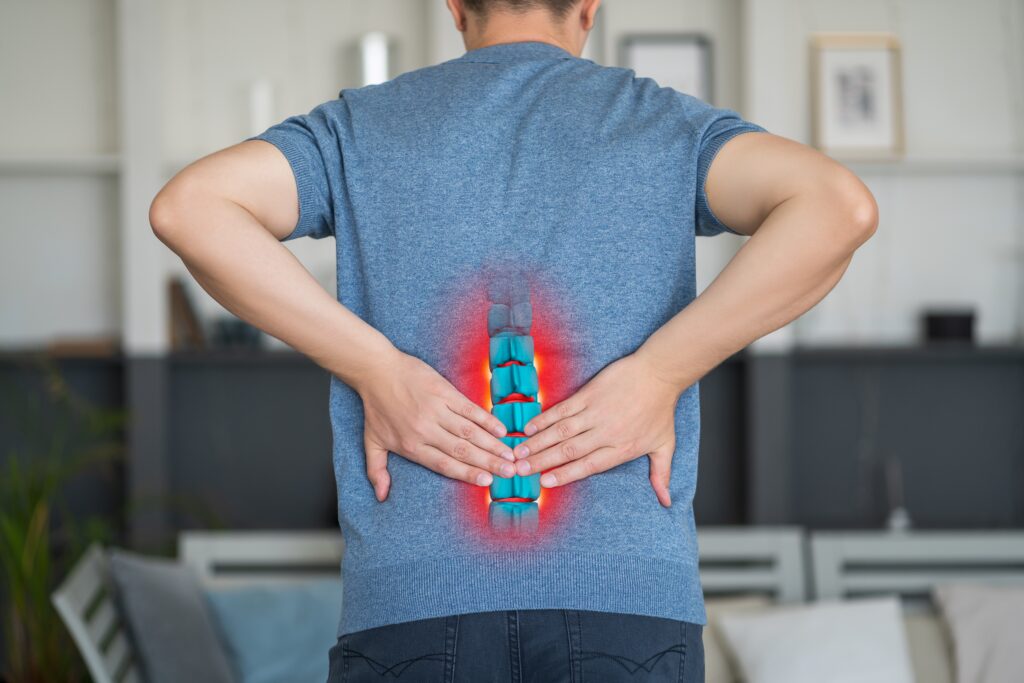
Back and neck pain are among the most common reasons people seek medical care, but not all pain is created equal. If you've been dealing with persistent discomfort, shooting sensations down your arm or leg, or unexplained numbness and weakness, you may be wondering whether something more serious is going on. A herniated disc is one of the more common causes of these kinds of symptoms, and understanding what it feels like can help you decide when it's time to get a professional evaluation.
At Unruh Spine Centers, our team specializes in diagnosing and treating spine-related conditions, including herniated discs, with a patient-centered approach that focuses on getting you back to feeling like yourself. If you're experiencing symptoms that concern you, call us today at (661) 288-0022.
Your spine is made up of a series of bones called vertebrae, cushioned between them by intervertebral discs. Each disc has a tough outer layer called the annulus fibrosus and a soft, gel-like interior called the nucleus pulposus. A herniated disc occurs when the soft inner material pushes through a crack or tear in the outer layer.
This disc herniation can irritate or compress nearby nerves, which is where the pain, numbness, and other symptoms come from. Herniated disks can occur at any level of the spine but are most common in the lower back (lumbar spine) and the neck (cervical spine).
The lower back is the most frequent location for a herniated disc, and the symptoms it produces can range from a dull, persistent ache to sharp, electric sensations that radiate far from the original source of the problem.
Common ways a lumbar herniated disc can feel include:
Many people with a lumbar herniated disc describe the leg pain as more bothersome than the back pain itself. The radiating symptoms tend to follow a predictable path depending on which nerve root is being affected.
A herniated disc in the cervical spine produces a different set of symptoms that affect the upper body rather than the lower extremities.
If you have a herniated disc in your neck, you might experience:
Cervical herniated disc symptoms are sometimes mistaken for shoulder problems or carpal tunnel syndrome because the pain and numbness can concentrate in areas far from the neck where the disc problem actually originates.
There is no single symptom that definitively confirms a herniated disc without a clinical evaluation and imaging. However, certain patterns of symptoms are strongly associated with disc herniation and should prompt you to seek an evaluation from a qualified medical professional:
The presence of one or more of these patterns, especially in combination, increases the likelihood that a herniated disc may be involved.
Pulling together the most frequently reported symptoms across both lumbar and cervical disc herniations, the common signs include localized spine pain, radiating pain into a limb, burning or electric sensations along a nerve path, numbness and tingling, muscle weakness, and symptoms that change with position or activity.
Not everyone with a herniated disc experiences the same symptoms, or any symptoms at all. Some people have disc herniations that show up on imaging but cause little to no pain. Others experience debilitating discomfort from a relatively small herniation that is pressing on a sensitive nerve. Age, overall spinal health, the location of the herniation, and the degree of nerve involvement all influence how symptoms present.
This variability is one of the reasons that a proper clinical evaluation matters so much.
Pain is a poor diagnostic tool on its own. Muscle strains, facet joint problems, spinal stenosis, and other conditions can produce symptoms that feel very similar to a herniated disc. Treating the wrong problem not only delays recovery but can sometimes make things worse. If you are trying to manage what you believe is a herniated disc without a confirmed diagnosis, you may be missing the actual cause of your pain.
Getting an accurate diagnosis from an experienced spine specialist is the foundation of effective treatment.
Most herniated disc cases resolve or significantly improve with appropriate conservative care. However, certain symptoms indicate a more urgent situation that requires prompt medical attention.
Seek care immediately if you experience:
These symptoms can represent a neurological emergency. Do not wait for a routine appointment if you are experiencing any of these warning signs.
Diagnosing a herniated disc begins with a thorough physical examination and a review of your symptoms, health history, and how the pain developed. A spine specialist will typically assess your reflexes, muscle strength, and sensation along specific nerve pathways to identify which nerve root may be involved.
Imaging is usually the next step. An MRI is the most informative tool for visualizing soft tissue structures including the discs and nerves, and it can confirm the presence and location of a herniation. X-rays may be used to rule out other structural problems. In some cases, additional studies such as nerve conduction testing may be recommended to evaluate how well affected nerves are functioning.
At Unruh Spine Centers, Dr. Chace Unruh and our clinical team use a comprehensive diagnostic approach to ensure that your treatment plan is built on an accurate understanding of what is actually causing your symptoms. Call us today at (661) 288-0022 to get started on your personal healing journey.
Research on long-term outcomes for herniated disc patients suggests that early, appropriate intervention is associated with better results than prolonged delay. If you have been dealing with back or neck pain, radiating limb symptoms, or unexplained numbness or weakness for more than a few weeks, it is worth having a professional evaluation rather than continuing to wait it out.
You should also seek care if your symptoms are interfering with your ability to work, sleep, or participate in activities you normally enjoy, or if over-the-counter pain relief and rest are no longer providing adequate relief.
Treatment options for herniated discs range from conservative approaches such as physical therapy, activity modification, and targeted medical care to more advanced interventional options depending on the severity of your condition. Many patients experience significant improvement without surgery when they receive timely, appropriate care.
If you are experiencing symptoms that suggest a herniated disc, the most important thing you can do is get an accurate diagnosis so that the right treatment can begin. At Unruh Spine Centers, we are here to help you understand what is happening with your spine and what your options are for feeling better.
Contact our office at (661) 288-0022 to speak with our team and learn more about how we can bring our personalized care to your herniated disc.